


·3 min read
The note still has to be true
Ambient scribes save minutes. They also write sentences into the record. Those sentences still need a clinician and a source.
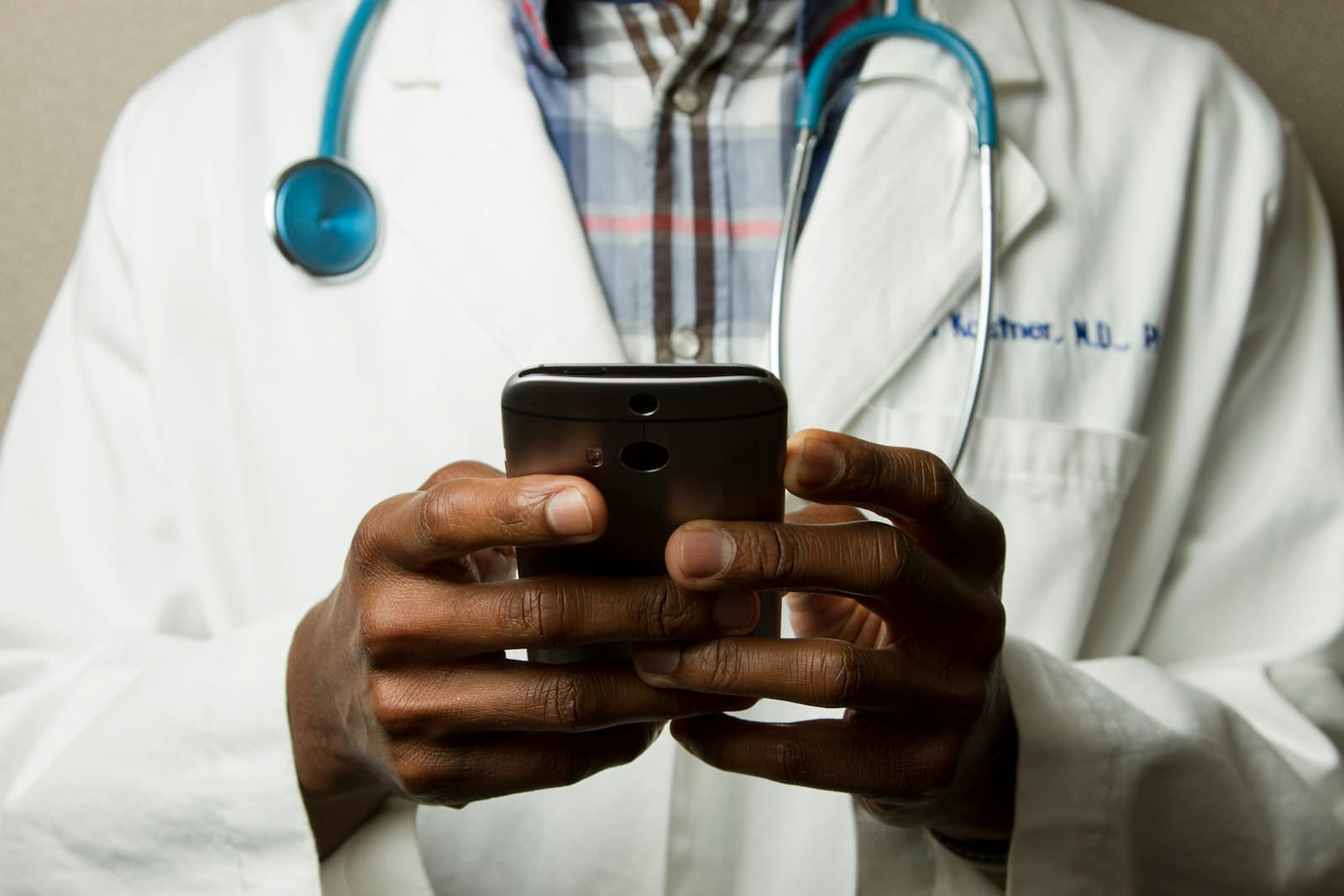
Photo: National Cancer Institute on Unsplash
Ambient documentation is already in clinics. Abridge and Microsoft’s Dragon Copilot (the DAX line) exist because the keyboard was eating the visit.
The gain is real. The risk is also real: a fluent note that quietly drops a negation, invents a family history, or upgrades a symptom the patient did not claim.
The record is not a draft email. Other clinicians, insurers and the patient will read it. A model that “helps” by filling gaps is writing fiction into a legal document.
Human review has to be the actual attest, not a banner. The clinician needs the transcript, the draft, and a way to see what the model added. If that takes longer than typing, the product has failed.
Grounding belongs on this encounter and this protocol, not on the open web’s idea of the condition. Fine-tuning on old notes will replay other patients’ lives.
Identity is not optional. Which model version wrote the draft. Which clinician signed. When. That is the minimum for a complaint or an audit.
Ship the scribe. Do not ship a second author that nobody can cross-examine.
The TruFyre Way
The note still has to be true. TruFyre treats the transcript, the draft and the attesting clinician as one record, limited to the encounter and approved protocols.